

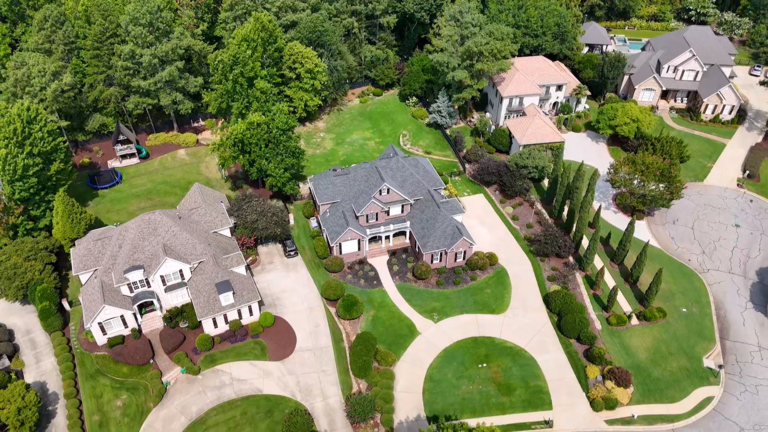
The real question most buyers are asking about Five Forks is not whether it's a nice place to live. It's whether it actually fits their daily routine, their budget, and what their family needs right now. Those are three very different questions, and they don't always point to the same answer.
Five Forks sits in a sweet spot between Greenville and Greer, which gives it strong location appeal and easy access to shopping, dining, and major job corridors. The schools consistently attract families who are serious about education, and the housing market reflects that demand. But "desirable" does not mean "right for everyone," and that's worth saying clearly before getting into the details. If you would like to watch more about Five Forks click here.
What this article focuses on is what day-to-day life in Five Forks actually looks like. Not a general overview of the suburb, but the specific factors that either make this area a strong fit or a budget stretch depending on your situation. The three things worth weighing first are commute reality, current home prices, and how much of the demand here is school-driven.
What Buyers Should Know About Five Forks
Five Forks is not the budget-friendly entry point into the Greenville metro. Buyers approaching this market expecting lower price points similar to nearby Greer are going to be surprised quickly. Median sale prices in Five Forks sit around the upper $500s, which positions it firmly as a premium suburban market in the region.
That price point is not random. It reflects what the area delivers consistently, which is location efficiency, strong school access, and a track record of holding value well. Buyers here tend to be less focused on getting the lowest possible monthly payment and more focused on what they're getting in return for a higher one. That's a meaningful distinction because it shapes who competes for homes here and how fast well-priced listings move.
The area is also strongly owner-occupied, which signals a stable, long-term homeowner base rather than a market driven by investors or short-term turnover. That kind of market tends to maintain its appeal over time because the people buying here are planning to stay, maintain their properties, and stay invested in the community.
The practical takeaway is straightforward. If convenience, school quality, and long-term resale strength are your top priorities, Five Forks is built around exactly that. If keeping monthly costs as low as possible matters more right now, nearby markets like Greer offer more flexibility on price without completely sacrificing location. Knowing which camp you fall into before you start touring homes will save you a lot of time and a fair amount of frustration.
Buyers who treat Five Forks like a premium product rather than just another suburb tend to make better decisions here. They go in with realistic expectations, move faster when the right listing shows up, and feel less surprised by what competing offers look like.
The Commute vs Traffic
Getting around from Five Forks is genuinely convenient during off-peak hours. Downtown Greenville sits roughly 20 to 25 minutes away under normal conditions, and downtown Greer is even closer. The eastside job hubs, medical campuses near Greenville Health System, and business corridors along Woodruff Road are all within a reasonable drive for most commuter profiles.
The honest part of that picture is what happens during peak hours. Woodruff Road is the main commercial spine connecting Five Forks to the broader Greenville area, and it earns its reputation for congestion during morning and afternoon rush windows. Highway 14, SC 146, and I-385 are the other key routes that shape daily travel, and knowing which combination works best for your specific destination matters more than just knowing the general area.
A few commuter profiles worth thinking through before buying here:
- Healthcare workers heading toward the Greenville Health System campuses or Prisma Health facilities will generally find the drive manageable, but morning timing matters. Leaving even 15 minutes earlier can make a noticeable difference on Woodruff Road.
- Professionals commuting toward Greer or the eastside job corridors tend to have a smoother experience since those routes move more freely than the Woodruff corridor heading northwest.
- Buyers working remotely or on hybrid schedules get the best of what Five Forks offers since they can run errands, handle school pickup, and access dining without ever hitting peak traffic windows.
The most useful thing any buyer can do before committing to a specific neighborhood in Five Forks is test drive their actual routes. Not on a Saturday afternoon, but on a Tuesday morning at 7:45 and a Thursday afternoon at 5:15. The drive time on Google Maps and the drive time in real conditions are two different numbers, and the gap between them should factor into your decision.
Route familiarity also helps buyers figure out which neighborhoods within Five Forks actually work best for their specific commute. The area covers enough ground that your daily experience can vary depending on whether you're on the Simpsonville side or closer to the Mauldin boundary.
The Five Forks Price Premium Breakdown
Home prices in Five Forks make more sense when you stop thinking about them as just a number and start thinking about what that number is buying you beyond square footage. A big part of what buyers are paying for here is access, specifically the kind that reduces daily friction in ways that are hard to put a dollar amount on until you're living it.
Grocery runs, youth sports, school pickups, weekend dining, and regional shopping are all within a tight radius. The Woodruff Road corridor and nearby retail hubs mean that most errands don't require a long drive or advance planning. For families with kids in multiple activities or dual-income households managing busy schedules, that kind of built-in convenience has real value.
The owner-occupied nature of the market adds another layer to this. When most of your neighbors are long-term homeowners rather than renters or short-term investors, the neighborhood tends to stay well-maintained and community-oriented. That consistency supports property values over time, which means buyers are not just paying for today's convenience but also for a market that tends to hold up well when it comes time to sell.
Where buyers sometimes get tripped up is treating the price premium as purely emotional, something tied to prestige or reputation rather than practical return. The stronger way to think about it is whether the lifestyle advantages of Five Forks actually show up in your daily life. If you're working remotely and rarely leave the neighborhood, the commute access matters less. If you have three kids in different schools and activities, the tight geographic radius of Five Forks starts to feel less like a luxury and more like a necessity.
Running the numbers honestly helps here. Compare the monthly cost difference between a Five Forks home and a comparable property in Greer or Mauldin, then ask whether the gap reflects something you'd actually use every day. For some buyers, the answer is a clear yes. For others, the extra cost buys convenience they don't need at their current stage of life.
Why Schools in Five Forks Have High Demand
School quality is one of the clearest reasons buyers keep showing up and competing hard for homes in this area. Greenville County Schools carries a strong reputation across the district, and Five Forks sits within attendance zones that consistently rank among the most sought-after in the county.
The schools buyers tend to focus on most are Bells Crossing Elementary, Rudolph Gordon School, Mauldin High School, and J.L. Mann Academy of Academic Pursuit. Each of these draws attention for different reasons, whether that's academic performance, program offerings, or overall reputation among families already in the area. J.L. Mann in particular functions as a magnet-style academy, which adds a layer of appeal for families prioritizing advanced academic tracks.
What makes school quality so significant in a housing market is that it creates demand that doesn't soften much even when broader market conditions shift. Families with school-age children are often willing to stretch their budgets to land within a specific attendance zone, which keeps competition high and price floors relatively stable in Five Forks even during slower market periods.
This dynamic also explains something buyers sometimes find frustrating, which is why homes in Five Forks move quickly even when interest rates are higher or inventory opens up slightly. The school-driven demand acts as a floor. There's almost always a pool of qualified buyers waiting for the right listing to appear in the right zone.
Verifying school assignments before making an offer is worth emphasizing here because attendance boundaries can shift and are not always obvious from a map. The Greenville County Schools district website allows address-specific lookups, and confirming your exact assignment before submitting an offer avoids surprises after closing. Assuming a home falls within a specific zone based on neighborhood name or general location is a mistake that comes up more often than buyers expect.
Who Five Forks Works Best For
Buyers who tend to feel most confident in Five Forks share a few common priorities. They're either focused on school access, want suburban space without a long commute to Greenville or Greer, or are thinking about long-term value and resale potential. Those three things overlap well with what Five Forks consistently delivers.
The contrast worth drawing is with buyers for whom monthly payment flexibility matters more than location efficiency. If stretching to the upper $500s creates financial stress or limits your ability to handle maintenance, renovations, or life changes, the math may work better in Greer or Mauldin. Both markets offer solid suburban options at lower price points, and neither forces you to completely sacrifice school quality or commute access.
A simple way to self-identify where you fall is to ask which of these four things matters most to you right now:
- Getting the most house for your money
- Access to specific schools or school quality in general
- A manageable commute to a specific job corridor
- Keeping monthly costs as low as possible while staying in the Greenville area
If your answer is number one or number four, Five Forks may not be the strongest fit at this stage. If your answer is number two or number three, it likely deserves serious attention in your search. There's no wrong answer here, only the one that matches your actual situation rather than the neighborhood's reputation.
Buyers who take the time to map out their real commute, confirm school assignments, and compare true monthly costs across a few different areas tend to make decisions they feel good about long after closing day. Five Forks rewards that kind of homework because the area genuinely delivers on what it promises, but only for buyers whose daily life actually lines up with what it offers.
Conclusion
Five Forks delivers a combination that is genuinely hard to find in one place, convenient access to Greenville and Greer, schools that hold their reputation year after year, and a housing market that tends to stay stable because the demand behind it is real and consistent. But buyers who go in without accounting for the price premium or the Woodruff Road traffic reality tend to feel the friction later.
The strongest decisions here come from treating the research as seriously as the home search itself. That means testing your commute routes at actual peak hours, verifying school assignments directly through Greenville County Schools rather than assuming based on a neighborhood name, and comparing monthly costs honestly against what nearby markets like Greer or Mauldin would offer at a lower price point.
Five Forks tends to make the most sense for buyers whose daily routine, family priorities, and long-term goals actually match what the area provides. When that alignment is there, the premium feels justified. When it's not, a comparable home in a nearby market might serve you better without the added financial stretch.
Confidence in a buying decision comes from testing the lifestyle directly, not from liking the location on a map or assuming the reputation is enough. Drive the routes, check the school zones, run the numbers, and then decide. That process takes more time upfront, but it's the difference between a home that fits and one that just looks good on paper.
Check out this article next